
Let it Rest
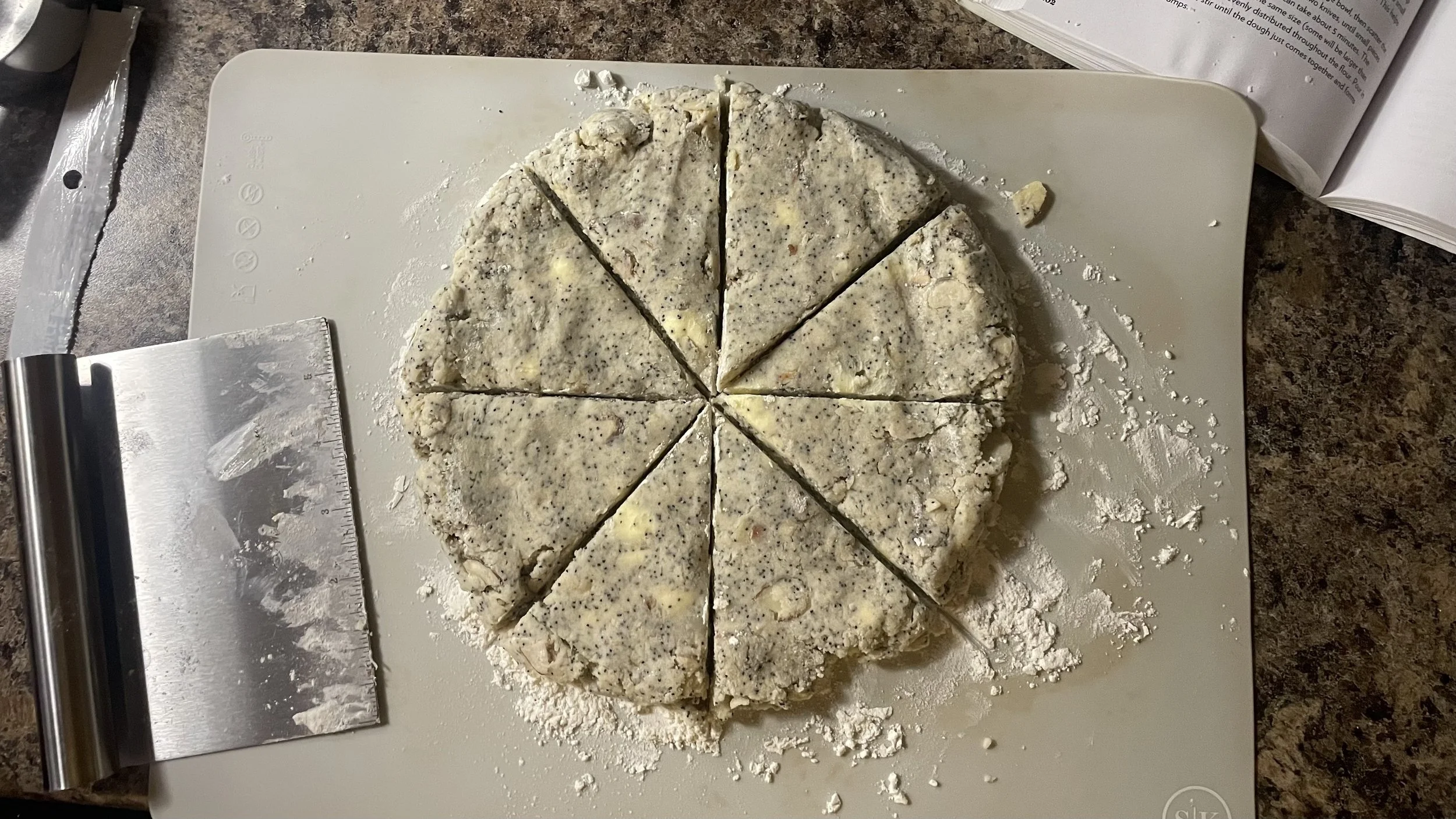
In cooking and baking, there is much resting. When we make soup, we let it rest in the pot, simmering until flavors collide. When we roast meat, we let it rest before slicing in order to relax the muscles and let the juices rehydrate the meat and increase tenderness. When we bake bread, we must give time to the yeast to rest. And when it is allowed rest, that is when the rising begins.
Again and again, cookbooks instruct us to “Let it rest,” “Let it rise,” and “Turn the burner to low and wait.” Ironically, the resting typically occurs after a prolonged moment of intensity—after the dough is kneaded, the meat scorched hot, the liquid boiled, the batter beaten. I can’t help but wonder if the science of cooking has much to teach us about the science of living.
In western culture, hurry defines most of our days. We race the race of productivity and survive in a state of busyness-ecstasy. We are not fully present, yet we have determined that keeping busy is a good thing. Though the heat, the pressure, the boiling, are prerequisites for simply living (and dare I say even good), the cruciality of resting after is an essential we miss too often. For me, I can take even the things I love and turn them into a to-do list. A check on the box satisfies more than simply stating “I’m cooking because I enjoy it,” or “I’m walking because it’s restful.” Cooking becomes more about meal prep and walking becomes a checked box of movement.
This blog will be short, as my goal is to simply ask myself a question: How would I rise if I rested? How could my life be more flavorful if I let it simmer and simply waited? How could my heart become more tender if I gave it precious time to rest after moments of intensity?
My next few blogs will act as a mini series within my cooking journey as I document how following a cookbook has challenged me to practice slowness in my cooking (as well as what I’ve learned from resisting).
Cheers!